ElectroMeds sells new equipment from our current lineup, not BEMER or used machines. We are not affiliated with BEMER. This page helps BEMER shoppers compare new MegaPulse, Sedona, and MultiPulse options; it does not claim matching signals or clinical results.
Considering a different pulsed electromagnetic system? This comparison covers the BEMER 3000 and the questions that matter when moving from an older system to new equipment. Identify the generation, verify the included applicators, and separate documented features from treatment claims. If you are considering a high-intensity or high-output PEMF alternative, compare the actual professional configuration rather than assuming every magnetic-field device serves the same purpose.
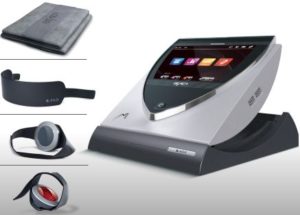
Identify the generation first
An older 3000 offer, a Pro or Classic listing, and an Evo package should not be treated as one product. Ask for the controller label, model number, manual, and photographs of the supplied attachments. A familiar brand name is not enough to confirm controls, compatibility, or service eligibility.
BEMER’s current U.S. product overview presents the Premium-Set Evo and its B.Box-controlled applicators. That current page is not a specification sheet for the earlier 3000. Do not copy today’s features into an older used-equipment listing.
What attracted you to the older system: the price, a recommendation, a specific applicator, or familiarity with the controls? If the reason is a clinician’s recommendation, confirm which model was intended. If it is price, check service and completeness before deciding that the offer is comparable to a current package.
Controls, programs, and output specifications
The manufacturer’s B.Box Evo description lists a touchscreen, low/medium/high intensity selection, programs P1/P2/P3, and up to three stored combinations in expert mode. These are documented Evo features, not claims about earlier generations.
For the unit in front of you, ask which settings the operator can change and which are fixed by the program. Keep magnetic-field strength, waveform, pulse duration, and repetition rate separate. A program name or a single frequency number does not describe the entire output.
When comparing a full-body mat with a localized attachment, request the specifications for each applicator. Do not assume that a controller’s headline maximum applies across the whole mat or at a particular depth. Ask how and where each measurement was made before using it to rank systems.
Does a higher intensity automatically mean better results?
No. Higher output is a technical characteristic, not proof of a better health outcome. Evidence needs to address the specific equipment, settings, population, and intended use. A treatment protocol for one system should not be transferred to another based on a shared PEMF label.
Would the comparison change if one system were easier to position or service, even though another had a higher advertised maximum? Write down the practical requirement first. Then ask each supplier to document whether its proposed configuration meets it.
Choosing new equipment for professional use
If your purchasing requirement is a high-intensity professional configuration, review the high-output equipment buying guide as a separate equipment category. Compare mobile transport, a fixed desktop setup, applicator formats, and operator training. A clinical or professional label does not by itself establish a regulatory indication or superior performance.
Use the professional purchasing checklist to organize a demonstration. Ask the supplier to show the actual quoted unit, explain the controls, and identify the included attachments. A demonstration should clarify handling and operation, not substitute for evidence about medical outcomes.
For a practice, consider storage, cleaning, cable routing, staff access, and service downtime. For mobile work, compare the transport case, loading requirements, and setup process. For an equine setting, involve the treating veterinarian and use documentation for the intended configuration rather than borrowing a human-use routine.
Other equipment formats
MultiPulse: a portable equipment comparison
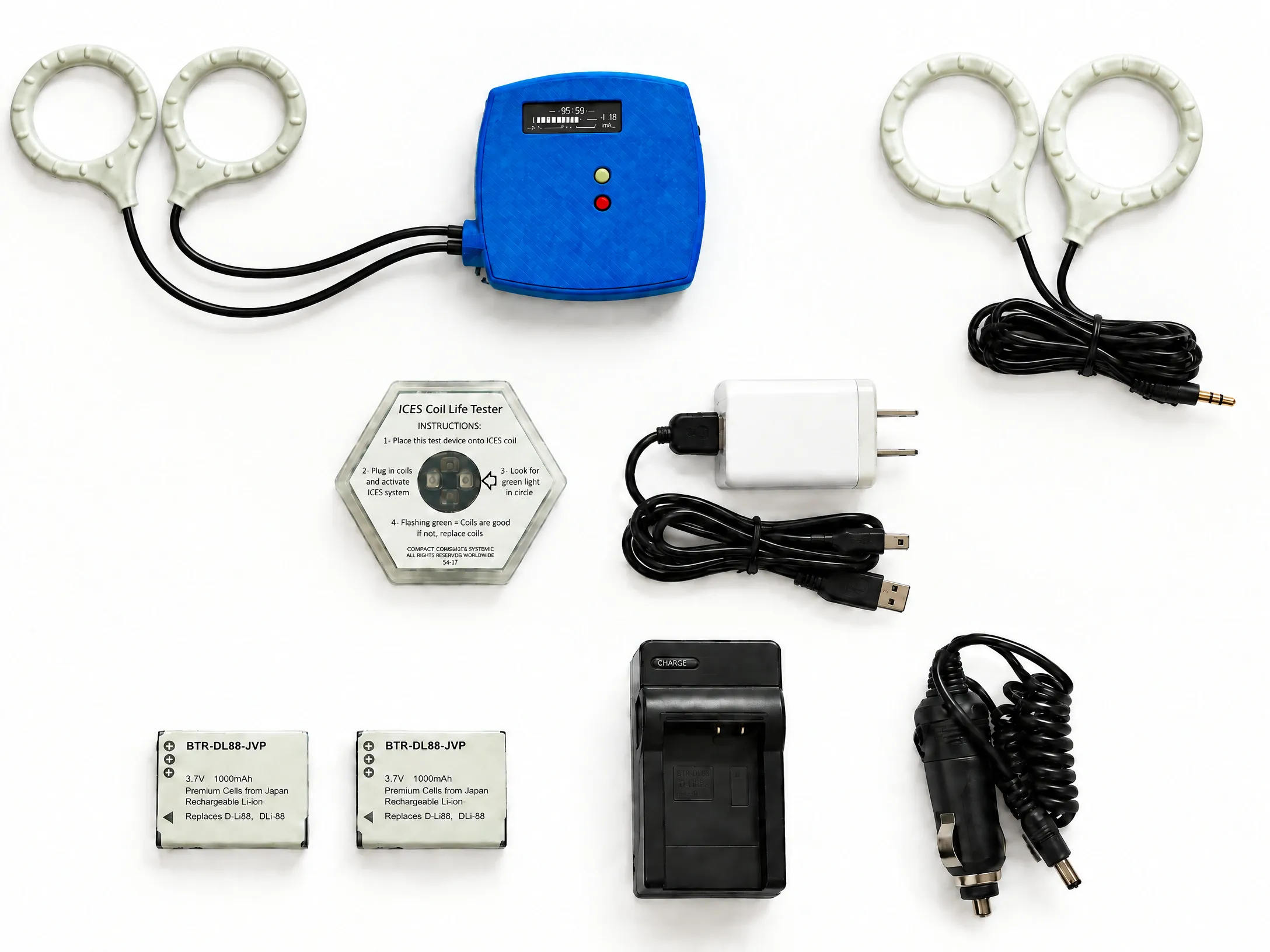
The MultiPulse listing is a route for comparing a compact controller and its current package options. Verify its instructions, power arrangement, compatible coils, and included accessories. Portability does not make it a technical or therapeutic equivalent of the competing system.
Sedona: a mat-based comparison
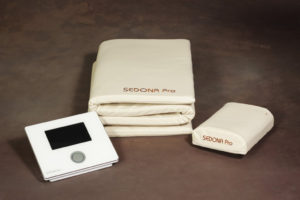
Review the Sedona system information if your main requirement is a full-body mat setup. Compare the exact controller, selectable settings, attachments, and warranty terms. Do not assume matching a broad waveform category reproduces another manufacturer’s signal or research findings.
MegaPulse: a high-intensity configuration comparison
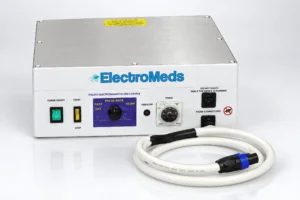
The MegaPulse range overview separates compact, mobile, desktop, professional, and equine configurations. Start there when the purchasing requirement is high-output equipment. Confirm the actual model and applicators rather than selecting by an older product photograph.
Price, service, and new-equipment value
Request a current quote for the exact generation and package. A historical 3000 price cannot establish today’s price, availability, rental terms, or value against a new machine. Keep optional attachments, delivery, training, taxes, and service costs visible in the comparison.
Before paying for a used unit, ask the manufacturer whether that serial number is eligible for service and whether any warranty transfers. Check connector compatibility, the correct power supply, and the availability of the manual. Our used PEMF buying checklist provides questions to send the seller; it does not describe inventory offered here.
Which unanswered question would stop you from buying? Resolve that question before arranging payment. A lower initial price may not address your needs if the package is incomplete or the support arrangements are unclear.
Research and FDA language: keep claims model-specific
BEMER’s U.S. product page says to use the device only as described in its user manual and to consult a healthcare provider about medical issues. Follow the labeling for the exact model and jurisdiction. A website’s general description does not establish an authorization for every generation or application.
Do not interpret FDA registration, clearance, and approval as interchangeable terms. Our FDA terminology page explains the verification questions. This comparison does not assert blanket FDA clearance for BEMER, MegaPulse, MultiPulse, Sedona, or all equipment sold by ElectroMeds.
For any medical claim, request the complete study and check which device was tested. A testimonial, a demonstration, or a paper on a different signal is not a head-to-head comparison. Discuss suitability and any proposed change to care with a qualified clinician.
Reading an article about effects and treatment
When comparing PEMF technologies, ask what the clinical studies actually tested. Was the comparison against sham PEMF, another device, or no treatment? Check the pulsed electromagnetic settings, participant group, follow-up period, and measured outcome. A research summary about BEMER therapy does not establish results for another PEMF device.
Ask your clinician to review the full article, not just a claim about therapy benefits. PubMed can help locate published research, but inclusion in a database is not an endorsement. Evidence from one pulsed electromagnetic configuration should not be treated as evidence for every controller or applicator.
For patients comparing treatment options, the medicine question and the buying question belong in separate conversations. A qualified clinician should assess suitability and risks. We can help you compare new PEMF devices, complete packages, and practical ownership requirements without promising a medical result.
Frequently asked questions
Are older and current generations interchangeable?
Do not treat the names as interchangeable. Confirm the model, generation, instructions, included applicators, and support terms for the exact offer rather than transferring specifications between product lines.
Are the compared systems interchangeable?
This comparison does not establish equivalence. Evaluate the actual configuration and professional requirements, and ask a qualified clinician before substituting equipment used in a care plan.
Does a high-output machine prove better results?
No. A maximum output figure needs its measurement conditions and does not establish a treatment depth or outcome. Technical specifications and clinical evidence answer different questions.
Does ElectroMeds sell competing brands or used devices?
No. ElectroMeds sells neither new nor used BEMER devices. This page compares BEMER purchasing questions with our current lineup of new equipment; it is not a competitor-stock listing or a service offer.
Build a new-equipment shortlist around your setting
What would need to change for a new system to be worth considering: moving it between appointments, using it in one treatment room, or choosing a different applicator format? Start with that requirement rather than the brand name alone. Keep clinical suitability with the qualified professional responsible for care.
For a high-output purchasing comparison, put the MegaPulse T2 Mobile and T2 Desktop on your equipment shortlist. Ask about the exact package, transport arrangements, operator documentation, and support. These links identify new equipment to evaluate, not matching signals or guaranteed outcomes.
If the strongest reason for changing is uncertainty about an older unit, resolve the missing information first. Would a written package comparison help you decide, or do you still need clinical guidance about whether changing devices is appropriate? Send the equipment questions to ElectroMeds and the care questions to your clinician.
Compare the equipment against your actual requirements
Send ElectroMeds your shortlist with the model names, included attachments, and setting where the equipment would be used. We can help clarify package and ownership questions. Read PEMF safety information and the current instructions before purchase or use.