
This page summarizes a published study that examined pulsed electromagnetic field exposure with reproductive-health endpoints. It describes the study population, PEMF parameters used, and the endpoints the authors reported. Nothing on this page is medical advice.
PEMF Endometritis: Endometritis/Endometriosis and PEMF: What the Research Shows
This page summarizes one peer-reviewed study on pulsed electromagnetic fields and endometritis following surgical procedures, with an honest assessment of what the evidence does and does not show. It is part of ElectroMeds’ PEMF education section, which collects research abstracts for reference. For the broader mechanism of how PEMF affects cells, see PEMF science.
What the study found
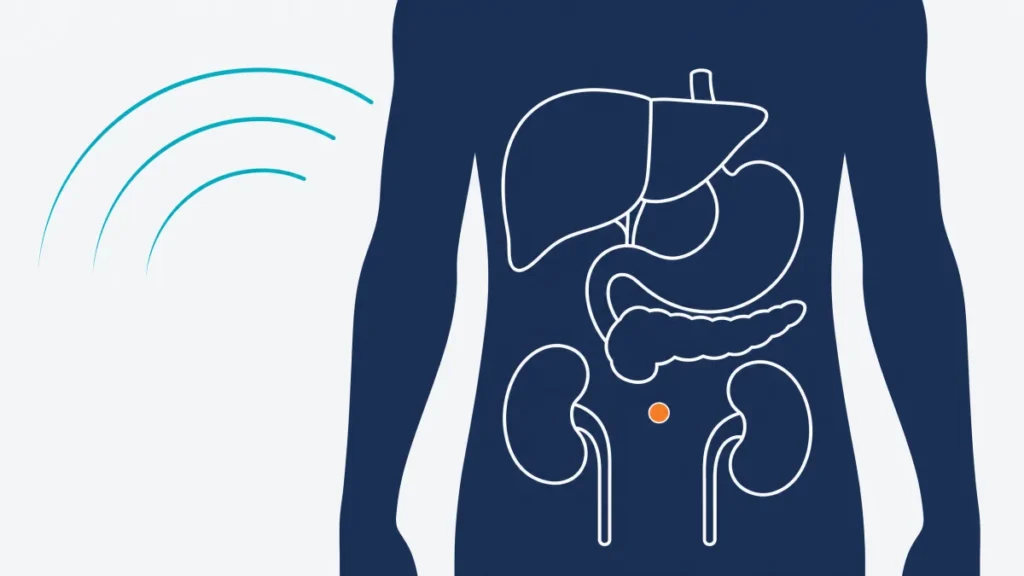
A study found that a constant magnetic field used in combination with other treatment modalities showed beneficial effects in patients with acute endometritis following a surgical procedure.
The full citation
Strugatskii VM, et al. “A Permanent Magnetic Field in the Combined Treatment of Acute Endometritis After an Artificial Abortion.” Vopr Kurortol Fizioter Lech Fiz Kult, (6), November-December 1996.
How strong is this evidence?
This was a combined-treatment study using a constant (not pulsed) magnetic field in a clinical setting. It is a single, dated study (1996) and does not establish that consumer PEMF devices treat endometritis or endometriosis.
What this means for device users
Endometriosis and endometritis are medical conditions requiring professional care. PEMF wellness devices are not a substitute for medical treatment.
For a full explanation of what PEMF therapy is and how it works, see What Is PEMF Therapy? For what FDA clearance does and does not mean for PEMF devices, see Is PEMF FDA-Approved?