
Start with the care goal, then choose the configuration. Choosing equine equipment starts with two separate decisions: whether proposed PEMF use belongs in the animal’s care plan, and which equipment meets the documented requirements. This guide helps owners, trainers, and professional buyers compare high-output configurations without confusing a specification with proof of a health result.
What is driving your interest: a recommendation from your care team, a difficult equipment setup, or uncertainty about what to buy? Clarify that before comparing PEMF prices. A better buying conversation begins with a defined requirement, not a promise that one machine suits every animal.
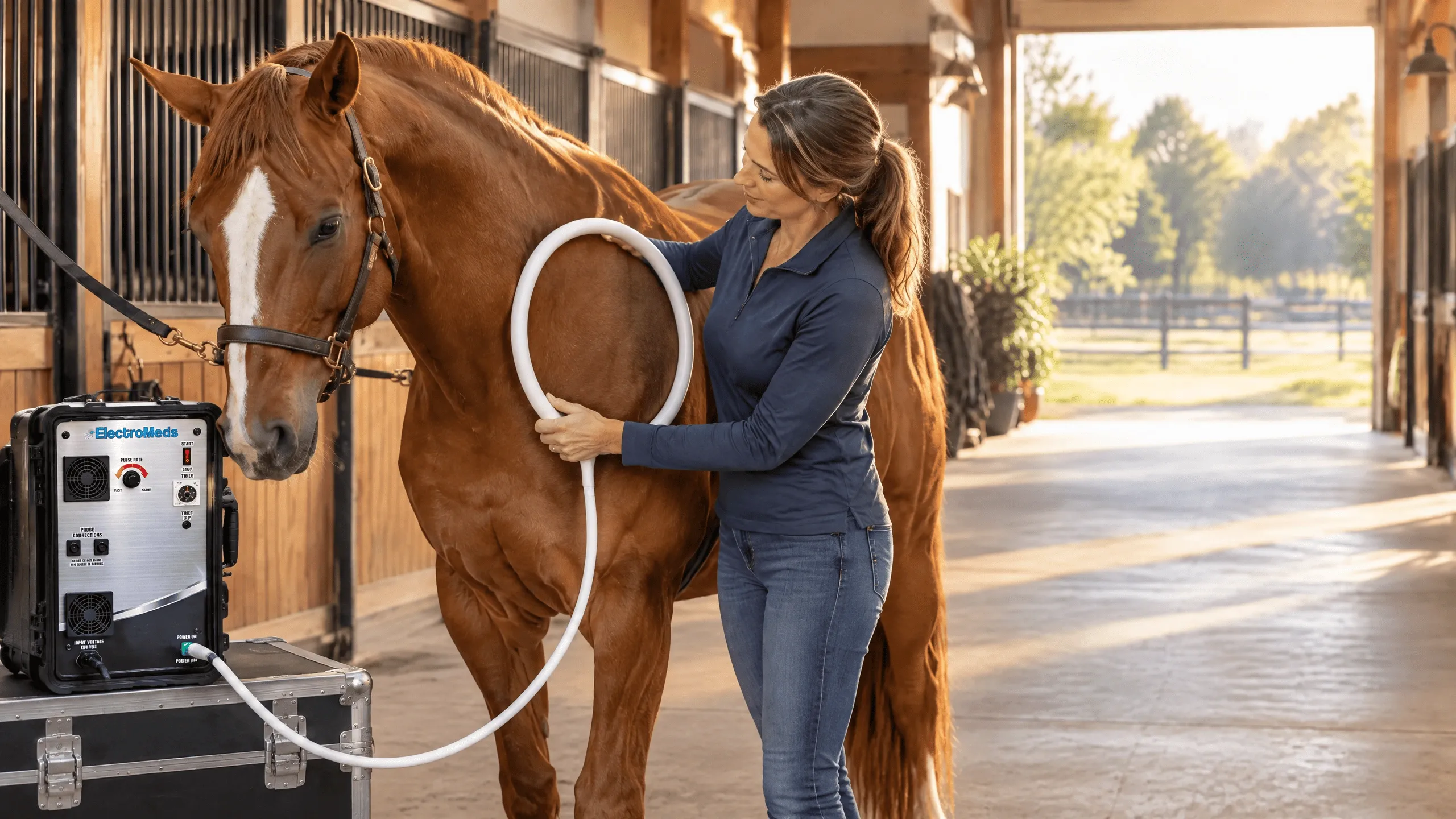
Health before equipment selection
Discuss the intended use with your veterinarian before choosing a PEMF device. Pain, an unexplained change in movement, or another health concern needs appropriate evaluation; purchasing PEMF equipment does not identify the cause. Keep any proposed PEMF therapy within a professionally directed care plan rather than substituting it for diagnosis or necessary treatment.
Ask what outcome matters and how it will be measured. Does the question concern comfort, return to activity, or a practical care routine? Those goals require different evidence and should not be reduced to a sales claim about circulation, cells, cartilage, or bone healing.
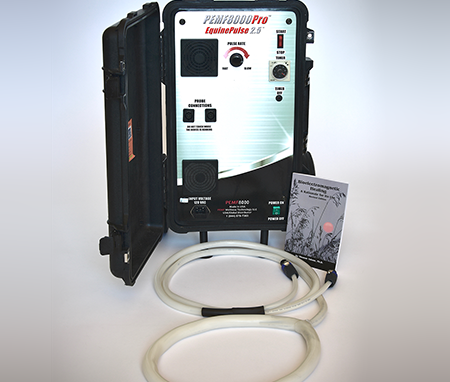
Compare an equine PEMF device by documentation
PEMF stands for pulsed electromagnetic field. When comparing PEMF machines, request the current technical sheet, intended-use instructions, and measurement conditions for the exact configuration. The high-output terminology guide explains why a headline gauss or tesla number is not a complete comparison.
Ask about the applicator, measurement position, selected setting, waveform, pulse duration, and repetition rate. Do not treat a maximum figure as a guaranteed exposure throughout tissues or a measure of clinical effectiveness. Compare the complete documented configuration rather than assuming that all equipment in the category is equivalent.
What PEMF therapy research can tell you
A 2022 systematic review of veterinary electrotherapies found insufficient evidence to support clinical effects for the reviewed indications in horses, dogs, and cats. That finding is a reason to ask precise questions about proposed use, not to replace evidence with testimonials.
A 2026 study of six mares with distal tarsal osteoarthritis found transient changes in subjective pain responses, but objective gait asymmetry remained unchanged. Small studies and short follow-up do not establish lasting results or validate every commercial product.
For equine rehabilitation, review the actual device, protocol, comparison group, and outcome in each study. Research on one model is not automatic support for another. Ask the care team whether the evidence is relevant to the proposed treatment and what uncertainty remains.
Competition requirements
Check the current FEI rules and regulations and the requirements of the specific event before purchasing for competition use. Obtain clarification from the responsible officials about the exact equipment, where it may be brought, and the intended circumstances of use.
Do not assume that a therapist credential or professional supervision overrides an equipment restriction. Home-barn use does not establish permission at an event. Keep competition eligibility separate from any expectation about a horse’s performance; neither follows simply from owning a professional unit.
If you compete under more than one governing body, ask about each relevant event rather than carrying an answer from one venue to another. Identify the exact model and revision in that conversation. A general statement about PEMF equipment is less useful than clarification tied to the unit you intend to bring.

Applicators and the working environment
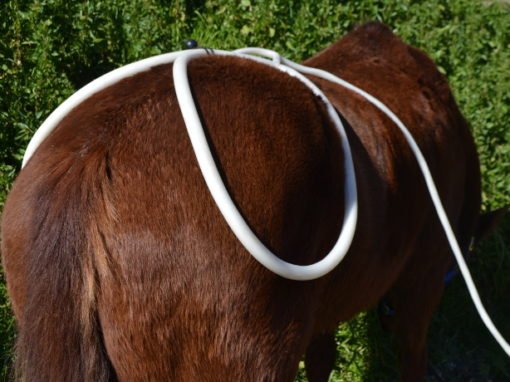
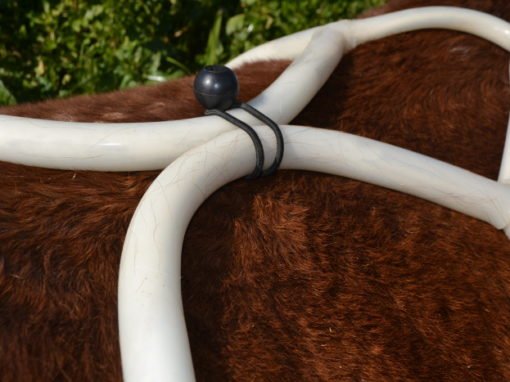
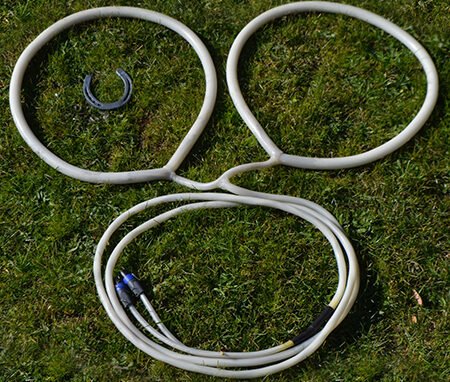
Compare the dimensions and permitted connections of loops, ropes, and other accessories. A blanket-style product and a high-output loop configuration should not be treated as interchangeable without documentation. Confirm the intended arrangement rather than choosing solely by appearance or the size of the pictured animal.
Where would the controller sit, and how would cables be kept clear of movement? Review supply requirements, storage, handling, cleaning, and environmental limits before setting up. Transport cases do not establish battery operation or weather resistance.
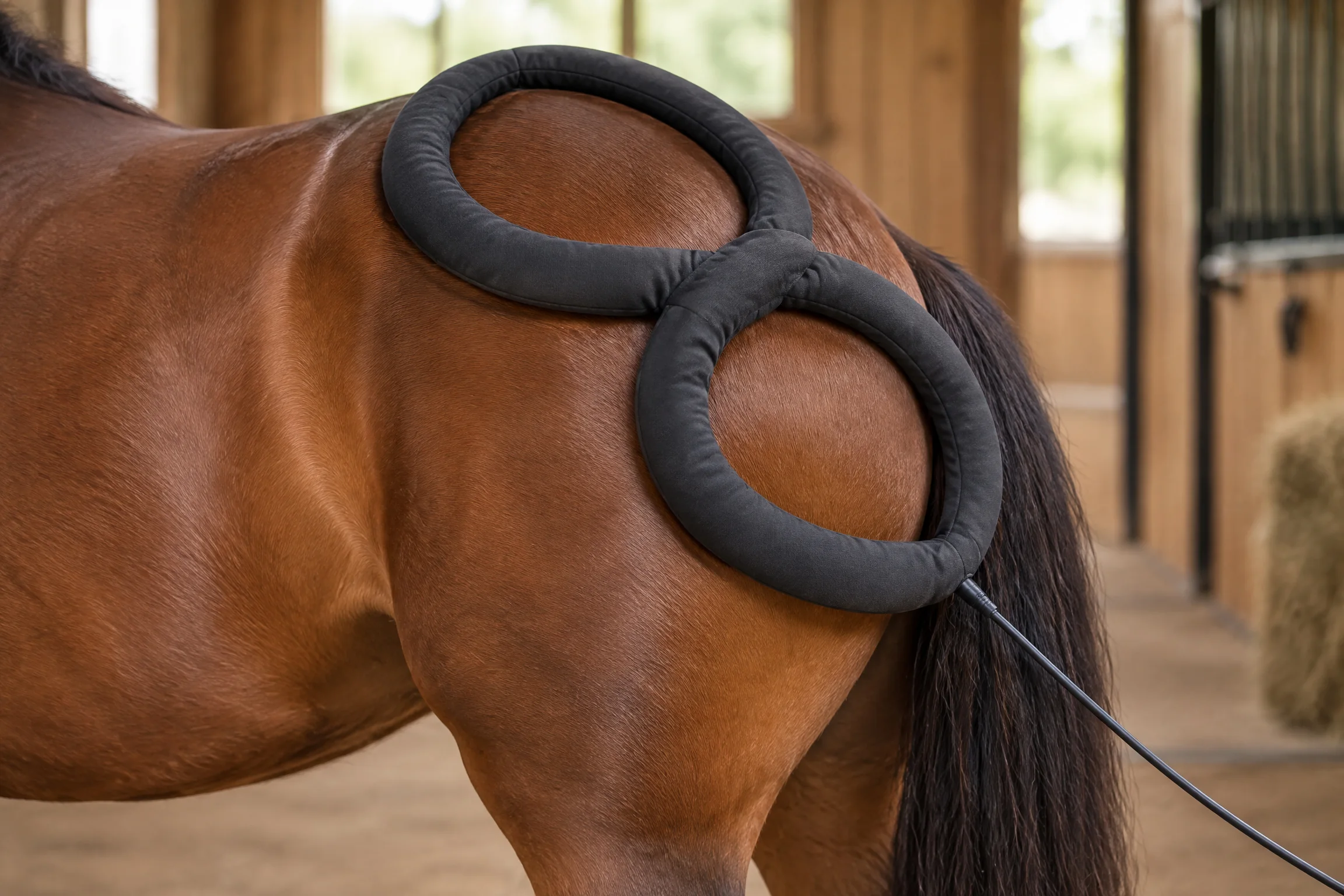
For a shared barn, identify who keeps the manual and reports operating concerns. Do not adapt a connector or use an unapproved combination to make an existing component fit. If several horses will use the same configuration, ask the care team and supplier what instructions apply rather than copying a generic schedule.
High-output equipment and a complete quotation
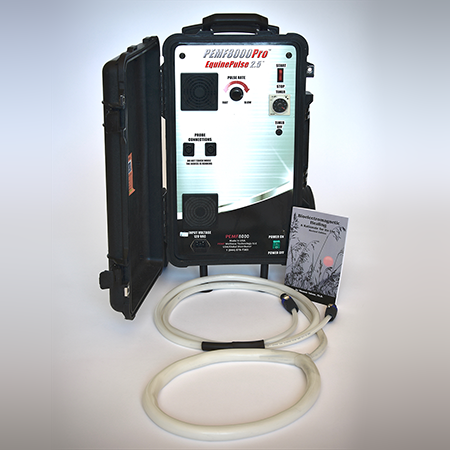
The MegaPulse Equine product page provides the current listing and live price. Ask for an itemized quotation identifying the supplied PEMF controller, case, cables, and selected shapes. Images and separate catalog listings are not proof that every item is included.
Compare that quotation with one alternative using the same questions. What is standard, what is optional, which specifications are documented, and how are service requests handled? The cost guide can help distinguish purchase price from a complete ownership budget.
Review current warranty, return, and shipping terms before committing. If financing is offered, compare total repayment and conditions rather than relying on assumed appointment income. What would you need confirmed in writing to feel comfortable with the purchase?
Safety and session planning
Use the current manufacturer’s instructions and qualified guidance, not a universal internet protocol. This guide does not prescribe duration, frequency, intensity, or placement. A plan for one animal should not be copied to another simply because both are performance horses.
Review the relevant safety information and contraindications before use. If an animal has acute symptoms, an unresolved health concern, or a change that worries you, seek appropriate professional advice rather than delaying assessment to try equipment.
Keep observations separate from conclusions
When the care team recommends recording observations, agree on what will be assessed and when. Note other changes in exercise, handling, or care that could affect interpretation. An improvement after a PEMF session does not by itself establish that the equipment caused the change.
Ask how an unexpected response or new pain should be reported and when the plan should be reviewed. Do not increase intensity or frequency simply because an expected result has not appeared. The goal is a clear, accountable care process, not completing a schedule regardless of the individual animal’s circumstances.
Horse care goals before a purchasing decision
What would have to be different for this purchase to feel worthwhile? Horse owners may arrive with very different questions: managing a complicated barn routine, following professional advice, replacing an awkward setup, or evaluating an unfamiliar wellness option. Write down the actual problem before looking at another catalogue. If the problem is a health concern rather than an equipment limitation, get that concern assessed first.
Separate the desired outcome from the proposed tool. “We want a manageable process that follows our care team’s recommendations” is a practical requirement. “We want the strongest machine so recovery must happen faster” is an assumption. A clear requirement lets you ask whether PEMF belongs in the plan without making the purchase itself the definition of success.
Discuss who will make decisions, who will operate the unit, and who will review observations. In a shared barn, those may be different people. Agree on one current set of instructions rather than letting each handler copy a routine found online. Ask how changes will be communicated when staff, locations, or the intended circumstances change.
Consider what you would do if the equipment did not change the outcome you hoped for. Would you still value its fit with a professionally advised routine, or would the purchase depend on a result no supplier can promise? Answering that question before paying helps keep both the budget and expectations realistic.
Equine health, musculoskeletal injuries, and evidence
Questions about musculoskeletal injuries belong with a veterinarian who can evaluate the individual case. A purchase guide cannot determine the cause of a change in movement, diagnose back discomfort, or decide when activity should resume. Ask what assessment is needed before considering an additional modality, and what signs should lead to an immediate review rather than another equipment session.
When someone describes PEMF benefits, ask which study supports the precise claim. Is the statement about blood circulation, a laboratory measurement, a handler’s observation, or a sustained functional result? Those are different endpoints. A claim about improving circulation should not be converted into a promise of faster recovery, and a finding from another species should not be presented as established guidance for your horse.
Ask for the original paper rather than a promotional summary. Relevant questions include the number of participants, the comparison group, whether assessors were blinded, how long follow-up lasted, and whether other care changed. The published veterinary electrotherapy review illustrates why the available evidence needs careful interpretation: it found insufficient evidence for the reviewed clinical indications.
Your aim may be to help horses, but responsible buying also means recognizing what remains uncertain. Ask the care team to distinguish established care, a cautiously considered adjunct, and an unsupported claim. Do not let impressive language about cells or energy replace an explanation of how a proposed approach would be evaluated in this particular situation.
Build a practical PEMF comparison file
Put each PEMF supplier’s current documentation in a separate folder. Label the quotation, inclusion sheet, instructions, and technical data with the date and exact revision. If a salesperson changes a component or proposes another configuration, ask for revised paperwork. Otherwise, a useful answer about one package can accidentally become an assumption about a different purchase.
For PEMF devices, keep the quoted peak field together with its measurement location and applicator. Ask whether the stated figure refers to a surface measurement, a coil center, or another defined point. Also request the operating setting and measurement method. If those details are unavailable, record the gap instead of treating two isolated numbers as a valid head-to-head test.
A high-output PEMF specification does not tell you how a loop will fit your working area. Ask for dimensions, cable lengths, storage instructions, and handling requirements. If the unit must move between barns, include the route from vehicle to setup area in your comparison. Steps, doorways, limited storage, and available outlets can be more important to everyday usability than a larger number on a brochure.
What piece of information would actually change your shortlist? Make that the next question to the supplier. If the answer would not affect your choice, it may not deserve another accessory or an upgraded package. A focused comparison is easier to understand than collecting every specification without deciding which ones matter.
Plan the routine without inventing a protocol
Map the tasks around PEMF use: bringing the case into the area, checking the instructions, arranging cables, preparing the permitted components, and putting everything away. Do not use this planning exercise to create your own settings or placement rules. The manufacturer’s instructions and qualified guidance remain the basis for operation.
Ask how cleaning and inspection are handled between uses, and which signs require the unit to be taken out of service. Keep the support contact with the manual so a handler does not improvise when a cable looks damaged or a control behaves unexpectedly. A full appointment calendar is not a reason to bypass instructions or modify a connection.
If PEMF is recommended as an adjunct, agree on the review process before starting. Record the observations the care team requests and note other changes in activity or management that could affect interpretation. Do not repeatedly increase output because an expected result has not appeared. A disciplined review can identify uncertainty without turning every observation into proof that the equipment worked.
For a performance yard, also plan how competition restrictions will be checked before each relevant trip. An earlier answer may concern a different governing body, location, or revision. Keep the exact equipment identification available when speaking with officials. Permission to bring something into a venue should not be assumed to mean permission for every intended use there.
Ownership, service, and a realistic budget
Compare the full PEMF ownership commitment rather than only the initial invoice. Ask about delivery, optional components, applicable taxes, documentation, and support arrangements. If payment terms are proposed, review the total repayment and conditions. A manageable monthly figure can still represent a commitment that depends on uncertain future demand.
For a service business, ask what would happen if usage were lower than expected or the unit needed repair. Do not assume a loan unit, guaranteed turnaround, or available rental unless the supplier confirms it. Your contingency plan should make sense without a promised number of paid appointments or an assumed improvement in athletic performance.
Buying and using a service involve different responsibilities. Ownership brings storage, transport, documentation, and upkeep decisions. A service arrangement requires checking the operator’s qualifications, the equipment, the proposed scope, and the applicable terms. Neither arrangement removes the need for professional advice about an individual horse.
Before ordering, summarize the decision in plain language: the intended setting, the permitted configuration, the complete cost, and the unanswered questions. Could another person on your team understand why this package was selected? If not, resolve the missing detail before adding equipment. The strongest buying decision is one you can explain without relying on a health guarantee.
Frequently asked questions
Does higher output guarantee better results?
No. Output is a technical characteristic, while effectiveness requires evidence relevant to the individual use. Review documented parameters and qualified advice together.
Can I take the equipment to an FEI event?
Do not assume permission. Check current FEI and event requirements with responsible officials for the exact equipment and planned use before travel.
Which accessories should I order?
Start with the confirmed inclusion list and the permitted configuration. Ask which optional shapes address a defined need and verify model-specific compatibility.
Is there one recommended schedule for all horses?
No universal protocol is provided here. The applicable instructions and the individual care plan should guide decisions about use, with qualified professional oversight where appropriate.
Should I buy equipment or consider a service?
Compare expected use, transport, operator responsibilities, and complete costs. If considering a service or rental, verify current availability, qualifications, equipment, and terms rather than assuming a program exists.
Make the next conversation specific
What remains unclear: the care goal, the configuration, competition permission, or the complete cost? Bring the clinical question to your care team and the PEMF equipment question to ElectroMeds. Call or text 442-444-0050 to discuss the current listing before ordering.

For a wider comparison, review the MegaPulse model guide and the professional equipment checklist. Keep the selection grounded in the actual intended use and the documentation that supports it.