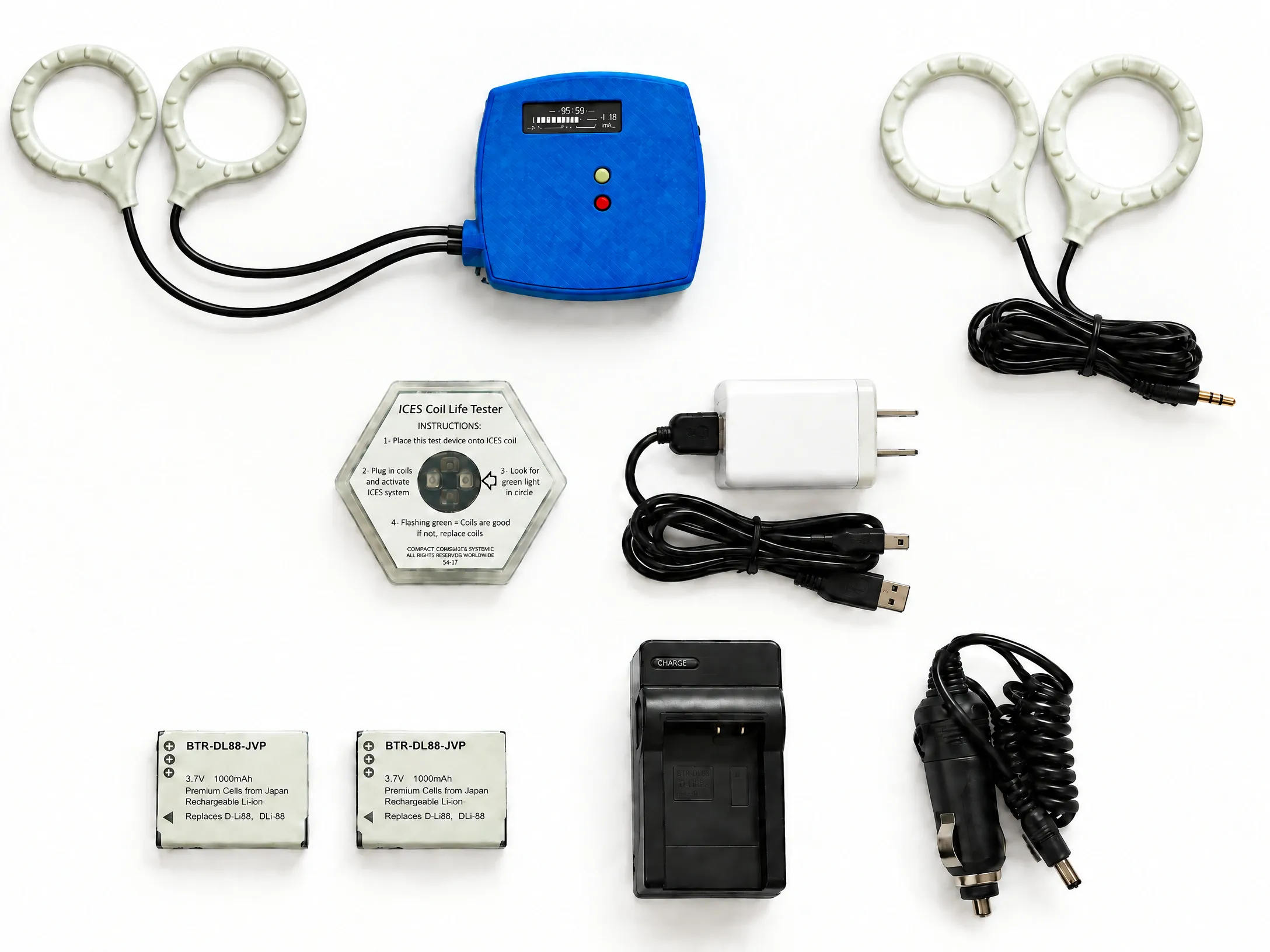
Educational note: This guide is for product research and does not replace advice from a qualified clinician. A device seller should never diagnose a condition, promise an outcome, or tell someone to ignore a medical concern.
How to choose a PEMF device for home use is more manageable when the decision starts with practical questions rather than big promises. The useful questions are simple: what kind of pemf device will you actually use? Where will it live? Do you need portability, a full-body pemf machine, or targeted, at-home pemf application? What does the price include? And who can answer a product question after the sale?
This guide helps a careful buyer compare a right pemf device without getting pulled into hype. PEMF research includes different pemf devices, protocols, and study designs, so one study should not be used as a blanket promise for every pemf machine or every user.[1] [2]
How to Choose a PEMF Device: Start With the Actual Use Case
Before comparing frequencies or spec lists, decide how a pemf device would fit into ordinary life. A portable pemf device is often the more practical choice for someone who needs to move the equipment, use it in a chair or at a desk, or focus on a smaller area of the body.
Portable, Full-Body, or Chair-Based?
Portable pemf devices come in various sizes. A pemf mats-come-flat format may suit a fixed home setup. A larger mat or complete set may make more sense for someone who wants a stationary home routine and prefers a broad, whole-body session.
Where Will the Device Operate Day to Day?
The right pemf device is not necessarily the one with the longest specification sheet. It is the pemf machine you will understand, use as instructed, and be able to get support for. A useful comparison includes the device format, controls, session setup, included accessories, warranty terms, and the availability of a real person to answer basic equipment questions.
Who Will Use It, and How Often?
Consider whether one household member will use the pemf device or several. A shared, professional-grade device with more configurable device settings may suit a busy home; a simpler pemf technology unit is easier for a single user to learn.
Safety Guidance Before Shopping
PEMF is not appropriate for everyone. Cleveland Clinic advises avoiding PEMF therapy during pregnancy and for people who use an implanted medical device, such as a pacemaker or insulin pump.[3] Someone with a medical condition, a new or worsening symptom, a seizure history, or a medication patch should speak with an appropriate clinician before using any electromagnetic device.
That is not a scare tactic. It is the normal level of caution a responsible buyer should expect. A seller can explain product setup and published specifications. A clinician is the right person to advise on an individual medical situation.
What to Compare Between PEMF Devices
Device Format and Portability
Full-body pemf mats have the broadest coverage; portable pemf device units target one area. Ease of movement matters if the equipment will travel between rooms or with the user.
Pricing, Package, and What’s Included
Compare a right pemf device by its complete package, not the headline price. A base unit at a lower price may not include the applicator, adapter, or accessory you need. Review the current PEMF machine price guide and the PEMF machines for sale comparison.
Controls, Settings, and Ease of Use
Simpler operation lowers the chance a pemf machine sits unused. Confirm you can understand the controls without extensive coaching. Ask whether the device is rechargeable or plug-in only, and whether settings are preset or configurable.
Frequencies, Intensity, and Waveform
A low intensity device suits general at-home pemf routines; a higher intensity device or targeted pemf unit is a step up. Ask about waveform shapes, program frequencies, and whether the device settings are documented.
Support After Purchase
Reliable support matters when a buyer needs setup or accessory guidance. Confirm phone and email availability, warranty length, and what happens if an accessory needs replacement.
Claims, Sources, and Documentation
Claims should not outrun the available evidence or product documentation. Ask a seller to show, in writing, what a pemf device is cleared for and what the specification sheet says. See our PEMF FDA guide.
Price Context Without Pressure
Price should be transparent. Current ElectroMeds options include a portable StemPulse pemf machine at $429, a MultiPulse pemf device at $629, the Sedona Pro at $5,900, the Sedona Pro Plus at $6,900, and the Sedona Elite at $7,900. Those are equipment prices, not promises about what any pemf device will do for a particular person.
Research can help, but it has to be read in context. Ask what pemf device was studied, who participated, what outcome was measured, and whether the study result applies to the question you actually have.
What Was the Device, Dose, and Protocol?
A clinical study involving a specific pemf machine, a specific protocol, or a professional treatment setting does not automatically establish that every home pemf device will do the same thing. Look for the exact device tested and the reported dose.
Systematic Reviews Can Be Mixed
Systematic reviews can also reach mixed conclusions because underlying trials use different device settings and outcomes. That is a reason to be careful, not a reason to dismiss pemf research altogether. A responsible guide should make room for uncertainty and avoid turning a promising result into a marketing guarantee.[1]
Third-Party Sources Beat Vendor Slogans
Independent sources — university health libraries, peer-reviewed journals, and government registries — are more useful than vendor marketing pages. See our PEMF science page for a curated list.
Evaluate the Seller, Not Just the Pemf Machine
Before ordering a pemf device, read the return terms, shipping information, and product description. Check whether the company gives a real phone number, describes what is included, and can explain the difference between its pemf devices in plain language.
Support, Warranty, and Return Policy
Warranty: length, what it covers, and how a claim is filed.
Returns: return window, restocking fees, and who pays return shipping.
Support: phone, email, and typical response time.
Documentation: access to specification sheets and manuals.
Signals of a Reputable Seller
A good pemf device seller does not rush a decision. The right conversation is usually about fit: whether a portable pemf device, a larger pemf system, or no device at all makes sense. That is more useful than a hard sell.
A Practical First-Week Plan for a New PEMF Device
When a pemf machine arrives, start by reading the manufacturer instructions and setting up the pemf device in a place where it is easy to use safely. Keep the first sessions simple and follow the device guidance rather than improvising a protocol from social media.
Days 1–2: Read the Manual and Set Up
Confirm every included component against the packing list, review the device settings, and check the warranty documents.
Days 3–5: Short, Consistent Sessions
Follow the recommended session length rather than doubling up. If anything feels unclear, stop and ask the supplier or a qualified clinician.
Days 6–7: Review and Adjust
Note what worked, what did not, and any questions for the seller. A short journal helps you evaluate whether a pemf machine fits your routine.
How to Choose a PEMF Device: Final Checklist Before Purchase
Use this short checklist before making a decision. Confirm the device format fits your actual use, that you understand the included components and current price, that you have reviewed the safety guidance, and that you know where to get product support.
Format fit: portable, mat, or chair-based.
Complete package: unit, applicator, adapter, accessories.
Safety review: contraindications acknowledged.
Support path: phone, email, and warranty details known.
Realistic expectations: claims match documentation.
If a company refuses to answer plain questions or leans on vague miracle language, keep looking. A right pemf device seller can answer specific questions about specification sheets, cleared indications, and package contents.
Make the Decision on Paper
If several pemf devices still look similar, write down the answer to four questions: where you will use the device, whether you need to move it, what you need included, and what level of support you expect. That exercise often makes the choice clearer than another hour of reading specifications.
Four Questions to Answer in Writing
Where will the pemf device operate? Room, chair, bed, or portable use?
Do you need to move it? Between rooms, or with travel?
What must be included? Applicator, adapter, box coils, or support wrap?
What support do you expect? Phone, email, extended warranty?
Why a Written Decision Beats a Rushed One
A written decision helps prevent paying for a larger setup when a portable pemf device is the better practical fit, or choosing a low entry price without understanding what is not included. The final choice should feel ordinary and understandable.
Common Buyer Scenarios for a Right PEMF Device
Scenario 1: A First-Time Buyer at Home
A first-time buyer typically wants a straightforward pemf device that is easy to learn. A portable pemf device such as the StemPulse is a common starting point because the device settings are simple, the applicator options are documented, and the entry price is low. This pemf machine is a common first purchase for someone who wants targeted, at-home pemf sessions before committing to a larger pemf system.
Scenario 2: A Household With Several Users
When several people share a pemf device, a full-body mat like the Sedona Pro can be the better fit. The mat covers a wider area, session setup is quick, and the pemf technology is designed for repeated daily use. Confirm the pemf device supports the number of sessions your household will run and that the accessory line matches your needs.
Scenario 3: An Athlete or Active User
Athletes and active users often want a portable pemf device for on-the-go targeted sessions and a full-body mat at home. Combining a portable pemf device with a mat is common. Confirm compatibility of any shared accessories and ask the seller how the two pemf devices are typically used together.
Scenario 4: A Practitioner Office
Chiropractors, physical therapists, and equine veterinarians often need a higher intensity device or professional-grade device. Confirm the pemf machine is documented for professional use, the warranty covers repeated daily use, and the applicators fit the treatment room layout. See our MegaPulse pemf systems for higher-intensity options.
Scenario 5: An Equine Buyer
Equine buyers often need a durable pemf device with applicators sized for horses. The MegaPulse Equine is a purpose-built pemf machine for equine use; confirm the current specification sheet, warranty, and accessory line before ordering. See PEMF for horses for an equine-specific guide.
Home Setup: Where to Put a New PEMF Device
Room, Chair, or Bed?
Where a pemf device operates day to day changes how often it gets used. A mat that lives on a spare bed is more likely to be used than one that lives in a closet. A portable pemf device that sits by a favorite chair fits into a daily routine. Choose a home setup where the pemf device is visible and easy to access.
Electrical, Storage, and Cable Management
Confirm a stable outlet, a place to store the applicator, and a route for the cable that avoids trip hazards. A rechargeable pemf device offers more flexibility for chair or bed use. A plug-in unit is fine for a fixed setup; the pemf device operates on a standard household outlet in most cases.
Quiet, Privacy, and Session Length
A pemf device session is easier in a quiet, low-distraction spot. Choose a location that supports the recommended session length rather than one that requires you to cut sessions short.
Documentation, Manuals, and Where to Find Them
Ask for the Full Specification Sheet
A right pemf device comes with a published specification sheet: waveform, frequency range, intensity, power source, and the accessory list. Ask a seller to email the specification sheet before you order. Compare that sheet to competing pemf devices side by side.
Read the Manual Before Setup
Every pemf device includes a manual. Read it before setup, not after. Confirm the session length, the recommended intensities, and the accessory compatibility. If a manual is missing or incomplete, ask the seller for a current copy.
Keep the Warranty Documents Safe
Keep the warranty document, the purchase receipt, and any accessory documentation in one folder. Warranty claims for a pemf device usually require the original receipt and the serial number.
Frequently Asked Questions
How do I decide between a portable pemf device and a full-body mat?
Portable pemf devices are for targeted, at-home pemf application; mats are for whole-body sessions. Choose based on where and how you will actually use the device.
What frequencies should a home pemf machine have?
Frequencies vary widely across pemf devices. Ask the seller for the documented device settings and whether the ranges match your intended use.
Is a low intensity device enough for at-home pemf use?
Many at-home pemf routines use a low intensity device. A higher intensity device or professional-grade device is a step up for specific applications; confirm with a qualified clinician.
How much should a pemf device cost?
ElectroMeds pemf devices range from $429 (StemPulse) to $7,900 (Sedona Elite). See our pemf machine price guide.
Is a rechargeable device better than a plug-in unit?
A device that is rechargeable is more portable but may have shorter session times. A plug-in pemf device supports longer sessions with a consistent power draw.
Should I ask my doctor before buying?
Yes. A qualified clinician or doctor can review your health status and confirm whether a pemf device is appropriate for you, especially with chronic conditions or a pacemaker.
For a full explanation of what “FDA-cleared” means for pemf devices and how to verify a claim yourself, see our PEMF FDA guide. For the peer-reviewed science behind pemf technology — how pulsed magnetic fields affect cells at low frequencies, what the NASA study actually found, and the Schumann resonance claim — see PEMF Science: How It Works and What the Research Shows.